
Ashtanga Yoga
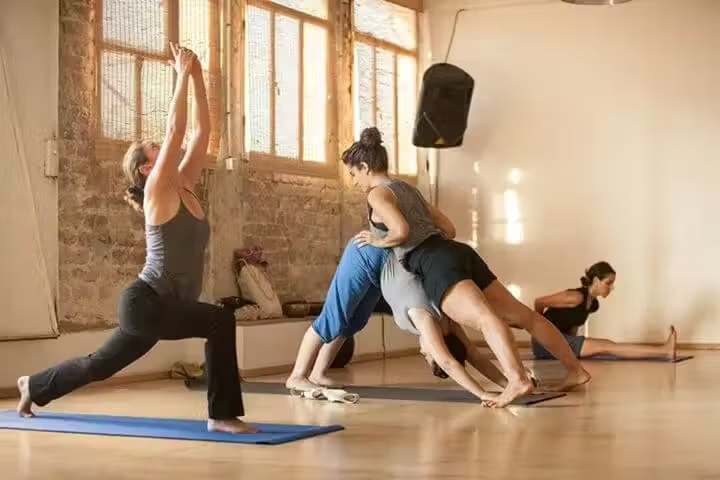
Ashtanga Vinyasa Yoga combines dynamic and intensive physical activity, active rhythmic breathing, and heightened concentration. It contributes to maximizing the physical capacities of each person and developing mental abilities, creating flexibility, strength, fitness, endurance, and resilience.
The practice combines four components: Bandhas (energy locks), Pranayama (Ujjayi breathing), Vinyasa (transitions linking movement and breath), and Drishti (gaze concentration). The breath is active and dictates the pace of movement.
The practice consists of fixed series beginning with sun salutations and standing poses. At the end of every practice comes Shavasana — the relaxation pose — enabling rest and a sense of replenishment.
The History of Ashtanga Yoga
In 1937, Pattabhi Jois began teaching Ashtanga yoga at the Sanskrit College in Mysore and afterward established the Ashtanga Yoga Research Center. Here is the story of Nancy Gilgoff, the first woman to study Ashtanga with Pattabhi Jois.
