
Modern Dance
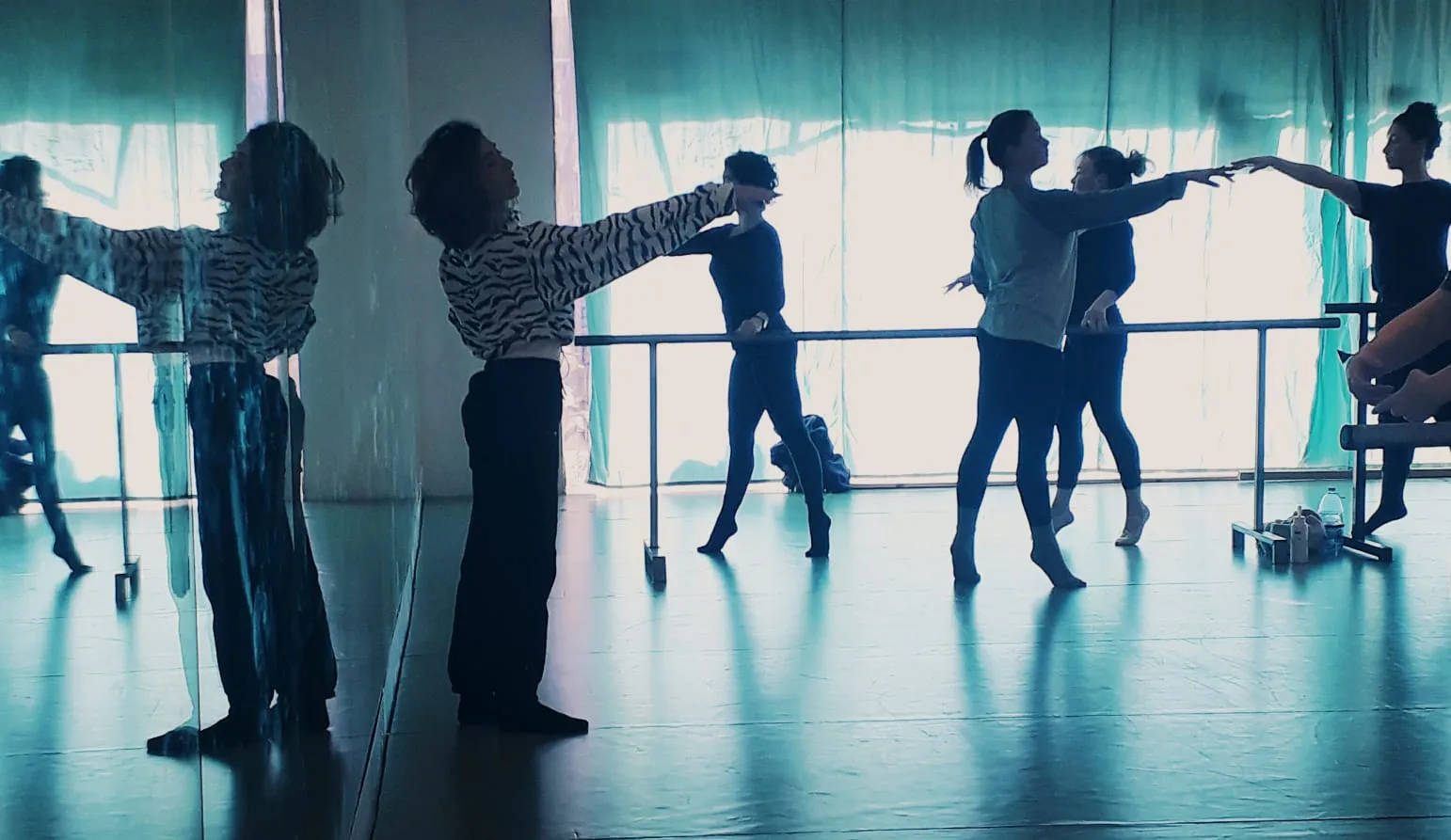
Modern dance is a dance style that developed in the early 20th century as a response to classical ballet, emphasizing natural movement, floor work, and a connection with the earth.
After many years in which classical ballet dominated the Western dance scene, dancers and creators began seeking new approaches and different forms of movement. Modern dance developed in Europe and the USA at the beginning of the 20th century, rooted in classical dance foundations while at the same time opposing them. It draws inspiration from diverse sources: ancient Greek dance, folklore from around the world, and tribal dances from Africa and other continents. Unlike traditional dances, whose purpose is mainly social and which barely change over the years, dance in the West develops constantly and seeks innovation and change on a regular basis.
At the end of the 19th century, Isadora Duncan began developing a new dance technique based on inspiration from ancient Greek art, nature, and natural human movement. She danced barefoot, in flowing clothing without a corset, and established an approach centered on a sense of connection with the earth. This is a dance style created more from the root and less from the height that characterized classical dance. The feeling is of weight firmly planted in the earth, contrasting with the long-standing attempt of ballerinas and dancers to appear "weightless" and "floating" beyond gravity.
In the 1920s, Martha Graham first appeared, undoubtedly considered the mother of modern dance. Graham developed the "Graham technique", centered on the principle of contraction and release, which derives from a stylistic conception of breath. In 1926 she founded her dance company and school in Manhattan, and over her career created 181 dance works. Graham laid the foundations on which modern dance was built and became what it is today: one of the leading styles in the world of dance.
Jazz also holds an important place among the influences on modern dance.
Modern Dance Class
The class consists of a warm-up and learning a combination. The combination is usually built over several classes.
Floor work (swings, rolls, extensive use of spirals in the torso and body parts) opens up new movement possibilities. Working with the weight of the body parts provides momentum and a motor for movement, with a focus on the weight of the hands and torso. Weight transfers while initiating movement from the pelvis.
Using all these elements while moving through space, combining movement and emphasizing different rhythms of movement. The class emphasizes developing coordination and works on musicality while strengthening and stretching the body.
Jazz and Modern Classes
Jazz is the application of dance technique, with attention to rhythm and hand-foot work. At the studio we have lyrical jazz, Broadway (musicals), modern jazz (a blend of techniques), and Commercial Jazz Dance classes.
Frequently Asked Questions
Is modern dance suitable for beginners?
Yes, it's a great entry point into the world of dance. The combination is built over two or three classes, so there's time to learn and progress gradually. No prior experience is needed, just a willingness to move and learn.
What's the difference between modern and contemporary dance?
Modern dance is based on structured techniques developed in the early 20th century (such as the Graham technique). Contemporary dance grew afterwards, more flexible and eclectic, combining technique with improvisation and movement inquiry. Modern is an excellent foundation before moving on to contemporary.
What should I wear to a modern dance class, and do you dance barefoot?
Come in comfortable clothing that allows free movement and floor work. You dance barefoot or in socks. Bring a water bottle.
Can I join at any stage?
Yes. The teacher goes over the full structure of the combination again at every class.
